Family Photography Tips, Pose Ideas, and Editing Advice for Natural Portraits
Master the art of family photography with tips on relaxed posing and subtle editing to capture genuine, heartwarming connections.

Family photography looks easy from the outside. Get everyone together, find good light, take the photo. In reality, it rarely feels that simple.
Photographing one person is one thing. Photographing a whole family is different. You are dealing with different heights, personalities, comfort levels, and attention spans all in the same frame. If there are young kids involved, things can change quickly. That is part of the challenge, but it is also part of what makes family photography worth doing well.
The best family photos usually are not the most formal ones. They are the ones that feel natural. The ones where people look comfortable. That does not mean there is no direction. It just means the direction should never be more obvious than the moment itself.
If you want better family photos, a few things make a real difference: how you plan the session, how you guide people into poses, and how you edit the final images. Here is a practical guide to all three.
Start With the Right Expectations
One of the biggest mistakes in family photography is expecting every frame to be perfectly controlled.
What matters more is getting a good mix:
- one or two classic group portraits
- a few frames with everyone interacting
- smaller moments between parents and children
- candid shots that feel unplanned
When a gallery has that balance, it feels complete.
Choose a Location That Helps, Not Distracts
A good location does not have to be complicated. In most family sessions, simple is better.
Home can also be a strong choice, especially when the goal is something more personal. Some families are much more relaxed in their own space, and that often shows in the photos.
Light Matters More Than Most People Think
If the light is working against you, the whole session gets harder.
Midday can work, but it takes more care. Harsh overhead sun is not ideal, especially with a larger group. Deep shadows under the eyes and bright hotspots on faces can make the photos feel less polished.
If you can choose, go for the softer light. It gives you more room to focus on expression and connection instead of fixing technical problems.
What to Wear for Family Photos
Clothing has a bigger effect on family photos than many people expect.
Neutral tones, soft blues, warm browns, cream, olive, and muted earth tones tend to photograph well. Texture also helps. Knitwear, linen, denim, and soft layers add visual interest without being distracting.
The main things I usually suggest avoiding are:
- large logos
- bright neon colors
- very busy prints
- outfits that clash in tone or style
If the clothes feel comfortable and visually balanced, the photos usually look stronger right away.
Family Poses That Feel Natural
The word “pose” can make people nervous, but family posing does not need to be complicated.
In most cases, the goal is just to give people a starting point. Once they are in a good position, you can let the moment develop.
Walking Together
This is one of the easiest ways to loosen people up. Ask the family to walk slowly, stay close, and talk to each other. If children are involved, let them swing hands, look around, or move naturally.
Walking gives the photo energy. It also helps people stop thinking so much about the camera.
Sitting close
A seated pose works well because it naturally brings everyone closer together. Use a blanket, steps, a bench, or even just the ground. The important part is keeping the gaps small.
When people lean in, overlap slightly, or rest against each other, the image feels warmer.
The family hug
This works for a reason. It is simple, affectionate, and easy to understand. With younger children especially, a hug often feels much more natural than asking everyone to stand still and smile.
One family member as the center
Sometimes it helps to build the pose around one person, usually the youngest child. Have everyone look at them, lean toward them, or interact around them. It creates an instant point of connection.
Smaller groupings
Not every great family photo has to include everyone at once. Some of the best images in a session are:
- siblings together
- one parent with one child
- both parents with the kids
- grandparents with grandchildren
These combinations make the final gallery feel more layered and complete.
How to Photograph Families With Kids
Children change the rhythm of a session, and that is not necessarily a problem.
Trying to hold a child in one perfect pose for too long usually does not end well. It is almost always better to work with their energy instead of against it.
A few things help:
- keep directions short
- move quickly when you need to
- leave room for play
- watch for spontaneous reactions
- do not stop the session every time things get a little messy
Some of the strongest family photos happen in between poses. A child leaning into a parent, laughing unexpectedly, hiding behind someone’s leg, or reaching for a hand—those are often the moments people love most afterward.
Easy Family Photo Ideas for Different Settings
If you want variety in a family session, changing the setup slightly can go a long way.
Park session
A park gives you flexibility. You can shoot walking photos, seated portraits, wide group shots, and tighter candid frames without changing locations too much.
Beach session
Beach family photos tend to feel open and relaxed. The wind, coastline, and movement in the background all help create softer, more natural-looking images.
At home session
At-home family photography works especially well for families with young children. The setting already feels familiar, which often means everyone relaxes faster. These sessions can feel quieter and more personal.
Seasonal session
Autumn leaves, spring flowers, summer evenings, or holiday decorations can all add atmosphere without taking over the image. Seasonal details work best when they support the photo rather than become the whole point of it.
Editing Family Photos Without Overdoing It
Good editing should help the photo feel finished, not overworked.
With family photography, I usually think of editing as cleanup and consistency. The point is to make the best parts of the image clearer not to remove everything natural from it.
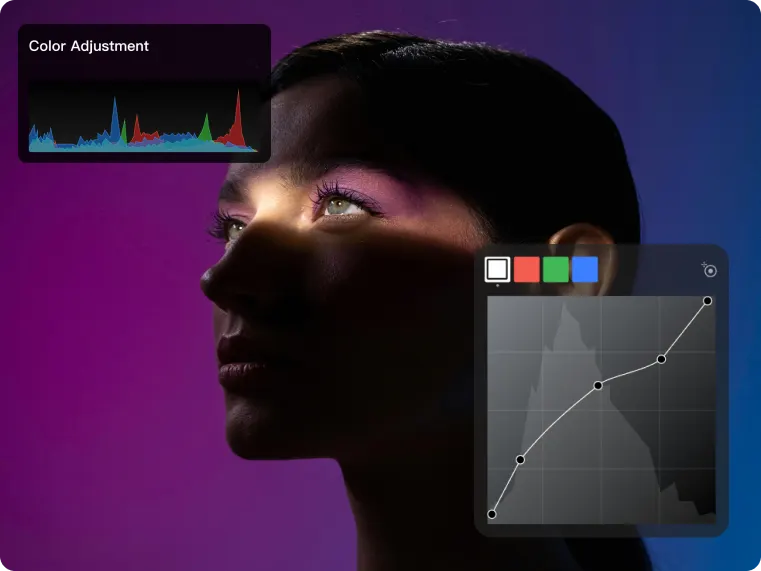
Start with exposure and white balance
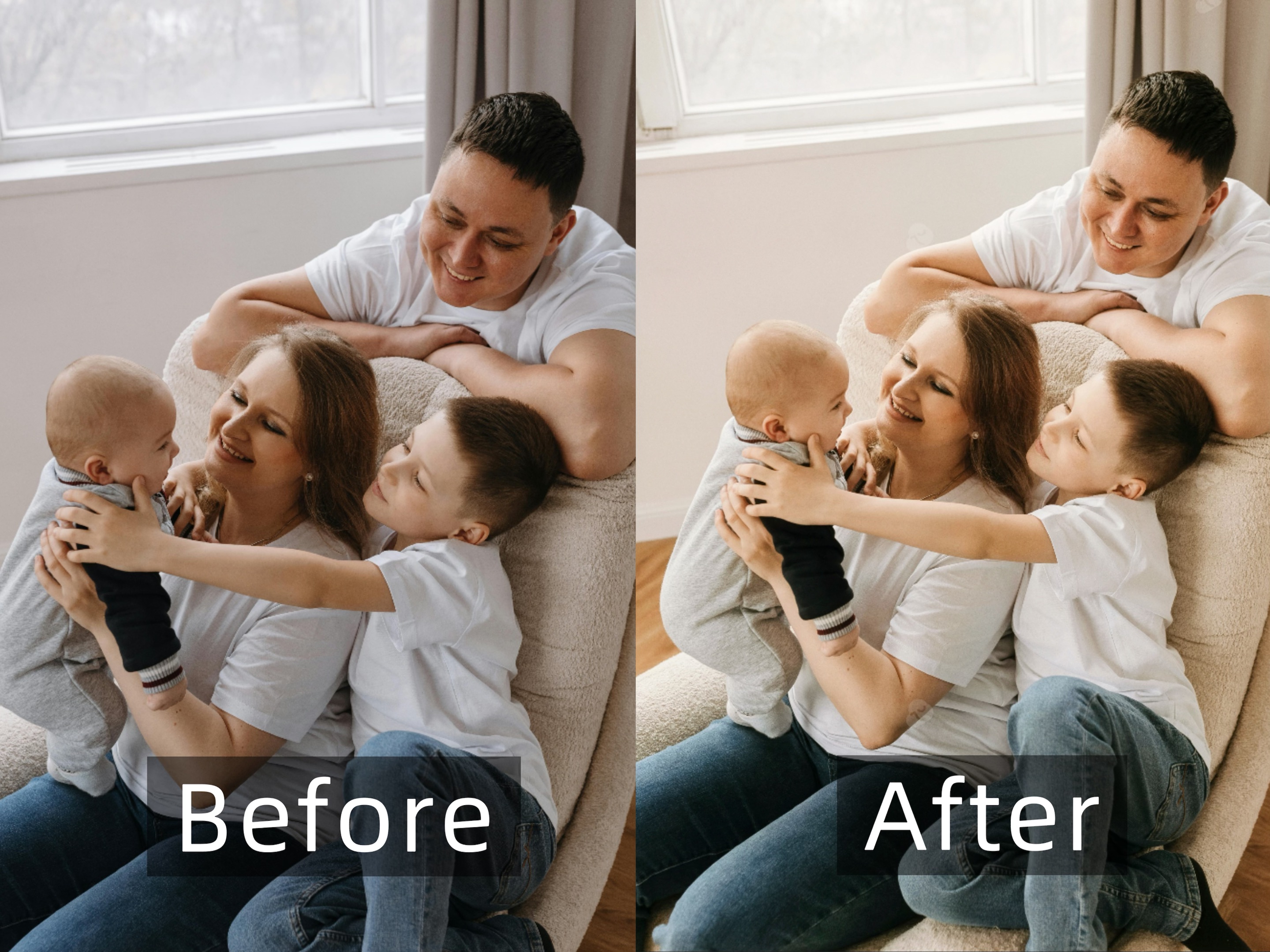
If light and color are not right, nothing else really works. Get the basics in place first.When families receive a full set of photos, consistency matters. The color tone, contrast, and overall mood should feel like they belong together.
Keep skin natural
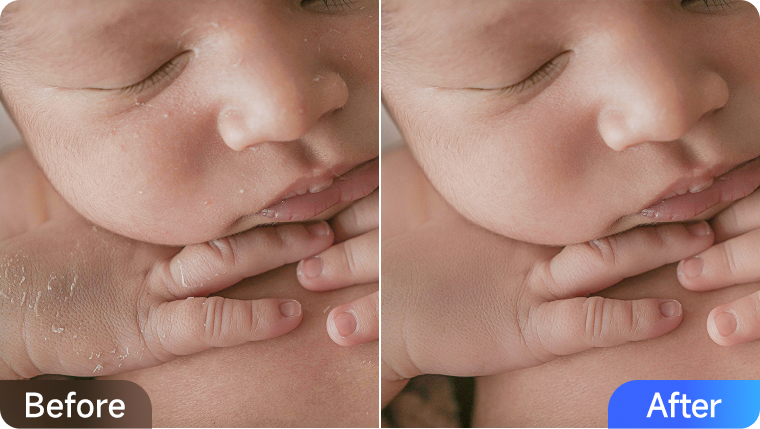
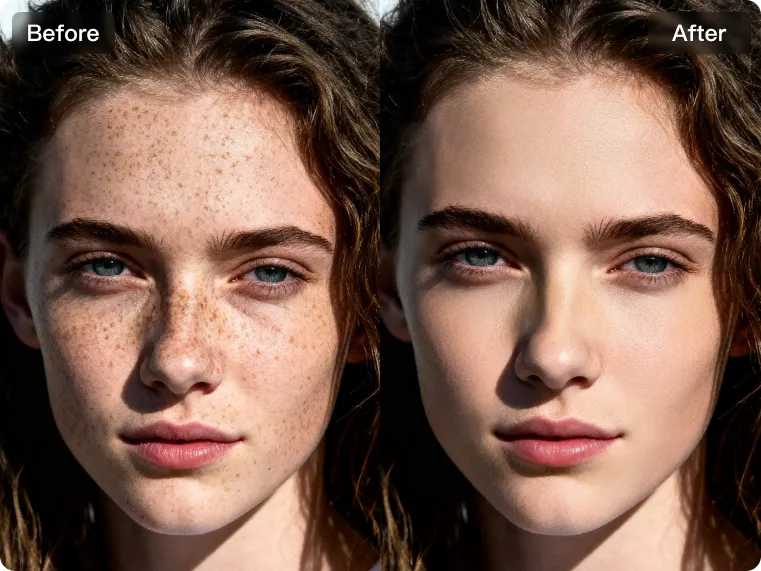
Family photos usually do not need heavy retouching. A little face editor is fine, but it still needs to look like real skin. Over smoothing tends to make family images feel less honest.
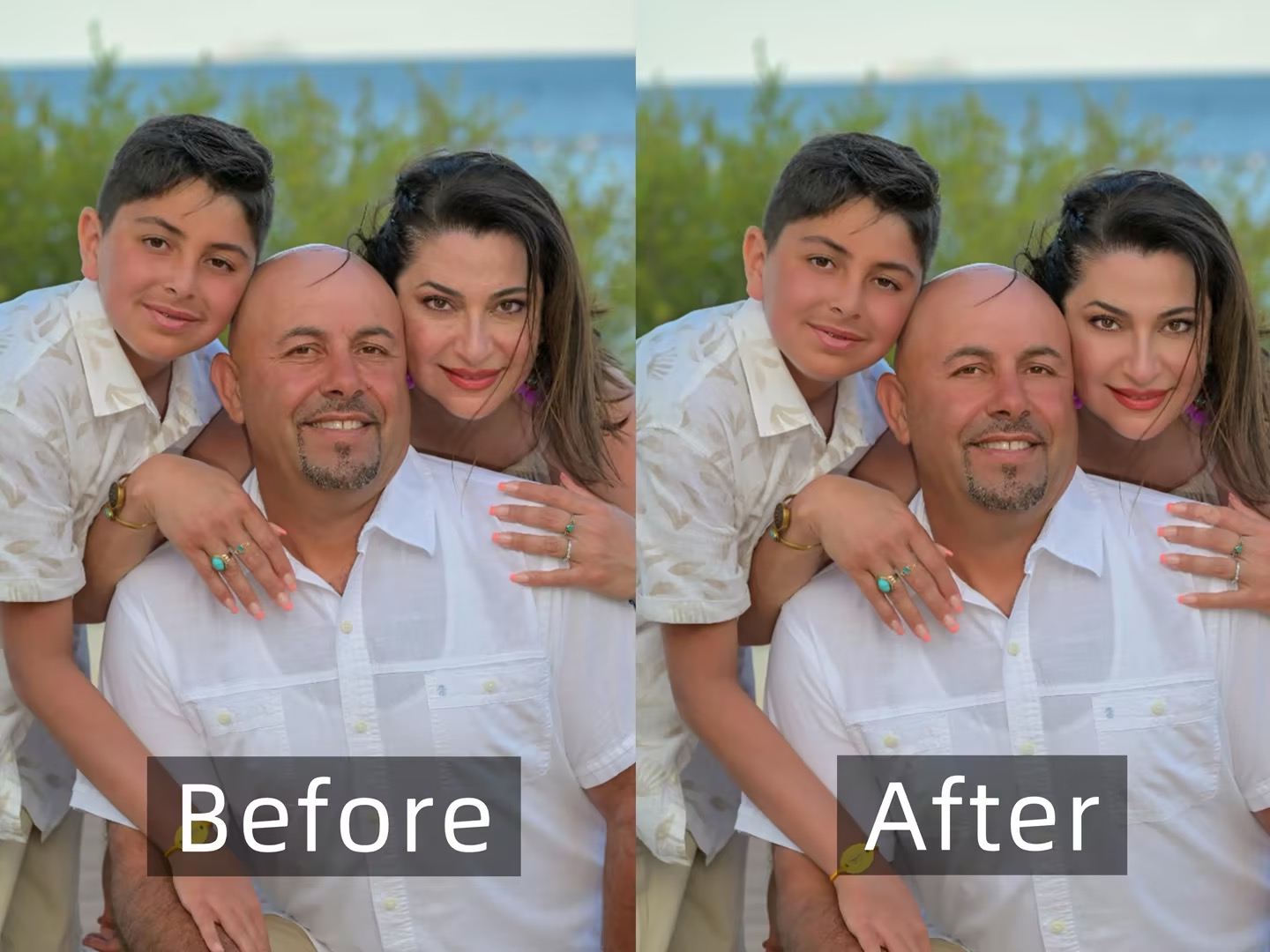
Use editing tools to save time
Family sessions do not always happen under ideal weather. Sometimes the expressions are great and the moment feels right, but an overcast sky can leave the photo looking a little flat. In cases like that, AI tools in kumoo can help bring back some warmth by adding a subtle touch of sunlight to the scene. Used carefully, this can make a cloudy outdoor family photo feel brighter and more inviting without making it look un natural.
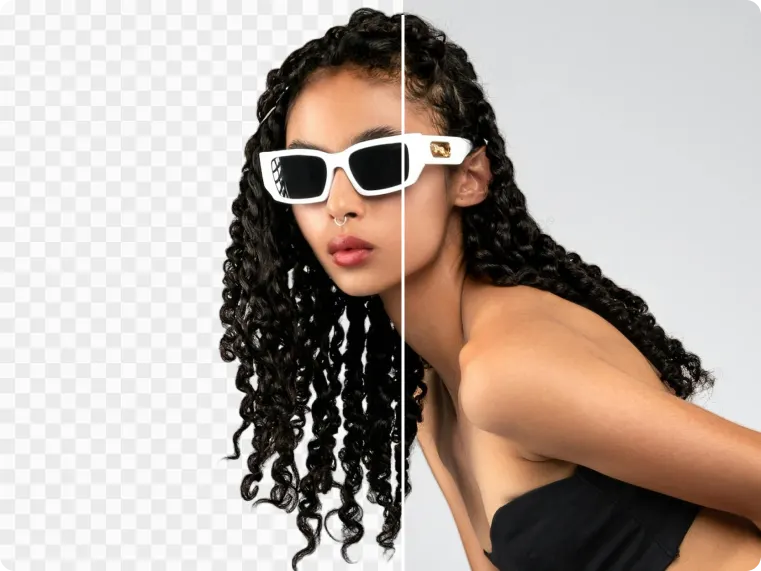
If you are working through a full gallery, kumoo can speed up repetitive adjustments. That might mean cleaning up backgrounds, balancing exposure, or keeping the overall look more consistent across a set. It saves time, especially when you still want the final images to feel natural rather than over edited.
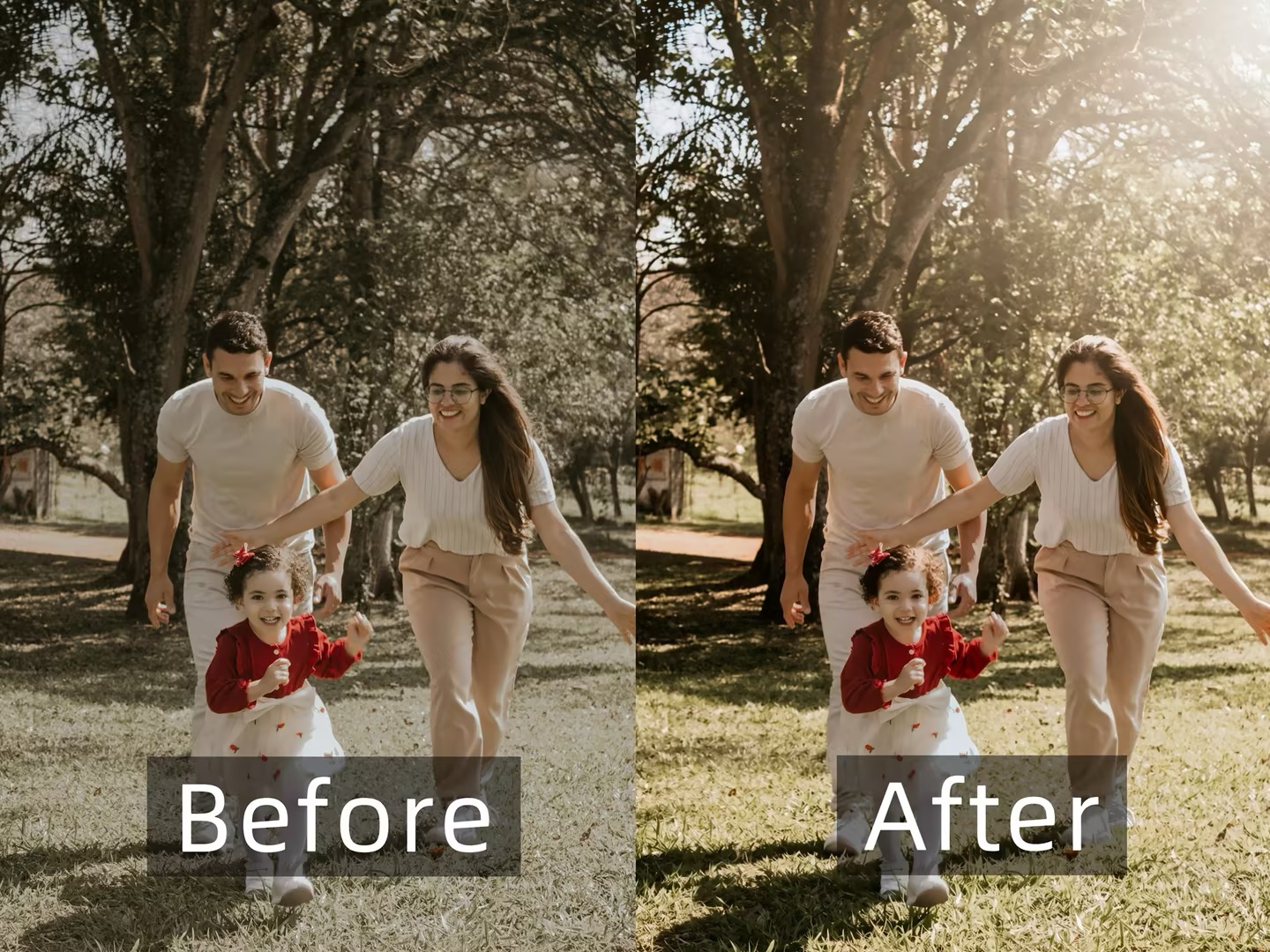
A few problems come up again and again in family sessions.
The other common mistake is rushing. Sometimes the best frame comes right after the “official” one when people finally relax.
Final Thoughts
Good family photography is not about forcing perfect behavior or perfect smiles. It is about paying attention to how people relate to each other and knowing when to guide the moment and when to leave it alone.
That is usually where the strongest images come from.
A bit of planning helps. Good light helps. Simple posing helps. But in the end, family photos work best when they still feel like the family in them. That is what makes people keep coming back to those images years later.

Explore Tools & Tips
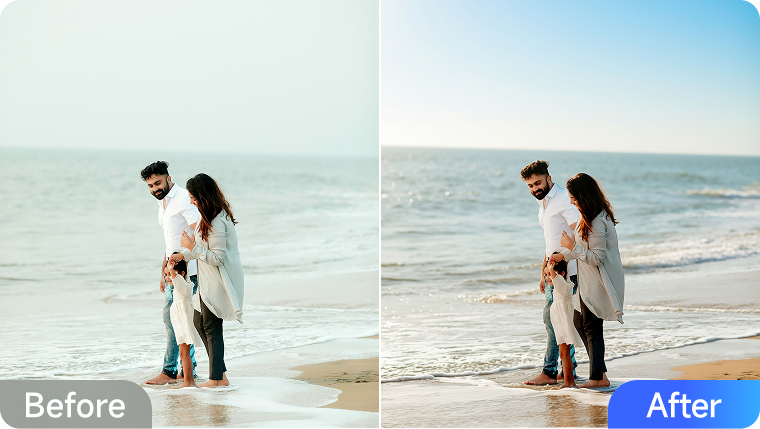
10 Best Family Beach Photo Ideas for 2026

5 Best Sky Replacement Software for Stunning Photos

Best AI Photo Editors in 2026: Top Tools for Portraits, Retouching, and Fast Edits